


What Sizes Can an Underpad Manufacturing Machine Produce? A Practical Guide
Buyers comparing an Underpad Manufacturing Machine often ask for one size range, but the honest answer depends on roll width, sealing layout and cut-to-length control. This guide explains the declared dimensions of a full-servo line and where its practical limits sit.
Key Takeaways
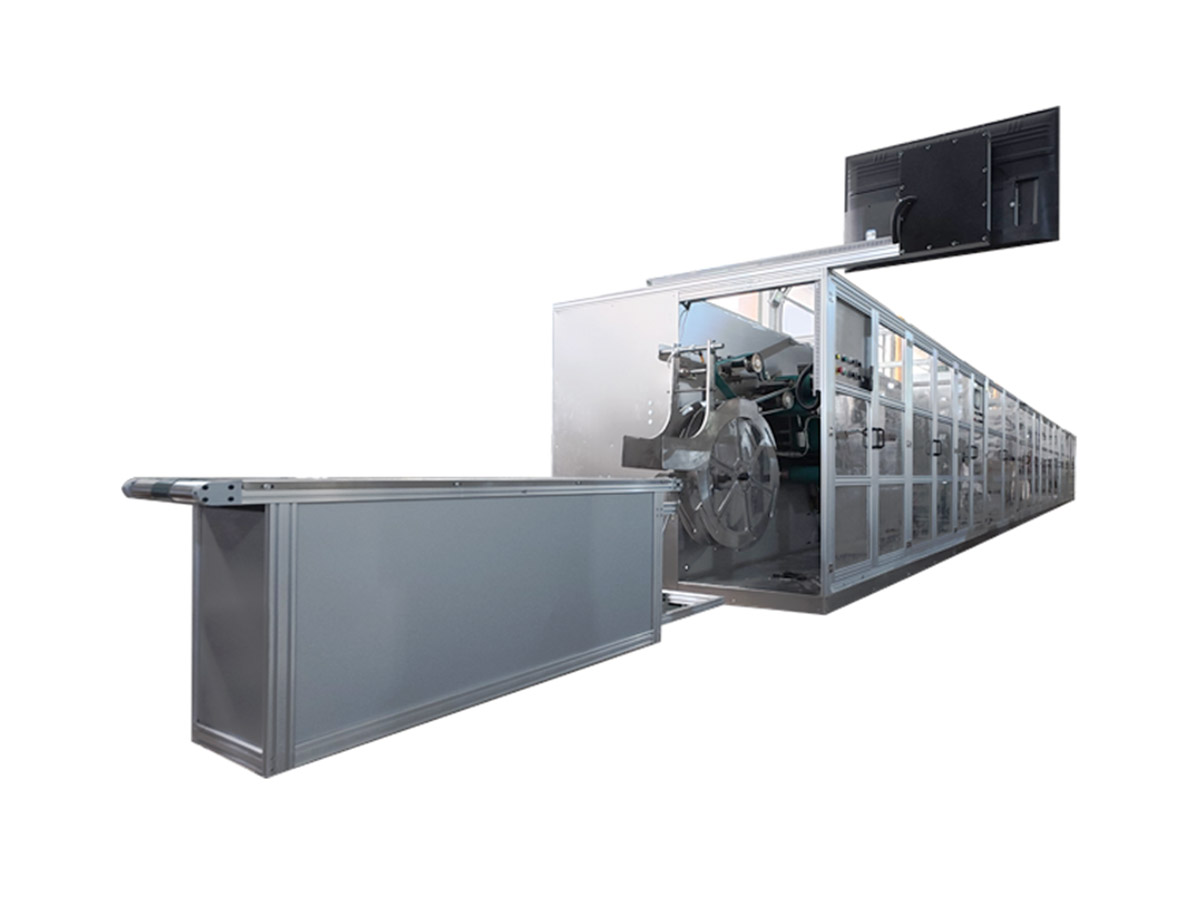
The reviewed full-servo line declares finished pads of 300 to 400 mm in length and 200 to 280 mm in width, entered through the touchscreen.
Roll width and the position of longitudinal seals set the cross-direction limit; a number on a screen cannot create web that is not there.
Transverse ultrasonic sealing plus cut-to-length control governs length changes, while the horizontal 3-fold unit determines folded, not flat, dimensions.
Medical, maternity and pet-care pads share the same multilayer construction but may require separate validation of size and absorbency.
What Size Range Can an Underpad Manufacturing Machine Produce?
An Underpad Manufacturing Machine converts continuous rolls of top sheet, absorbent tissue or cotton core and PE back film into individual pads. The figure that matters is the declared finished-product range, not the size of a sample photographed at a trade show. For the full-servo model examined here, the published specification states a finished length of 300 to 400 mm and a finished width of 200 to 280 mm. In imperial terms, that is roughly 11.8 to 15.7 inches long and 7.9 to 11.0 inches wide.
Those values are model-specific. The wider market for bed and chair protection includes pads of several formats, and clinical guidance describes pads as part of a broader incontinence product family rather than a single standard dimension. A buyer should treat the manufacturer's data sheet as the binding source and confirm whether a quoted figure refers to the flat pad, the folded pad or the web before cutting. Independent context on how nonwoven materials are assessed is available in nonwovens standard procedures, but those procedures do not define a commercial pad size. Machines in the medical disposable manufacturing machines category often serve more than one pad format, but that does not mean every width is available on every line.
Reading a Size Specification Correctly
A specification usually separates length range, width range, line speed and roll diameter. Length is the machine direction dimension, set as the web advances. Width is the cross-direction dimension, inherited from the incoming webs and trimmed by the sealing layout. Confusing the two is a common source of disappointment: a controller may accept a new length value instantly while a width change still needs mechanical setup.
How Web Width Constrains an Underpad Manufacturing Machine
The cross-direction limit is the first physical boundary. On the reviewed line, the equipment envelope is 6690 × 1170 × 2000 mm and the declared output width tops out at 280 mm. The unwind stands accept toilet paper rolls up to 800 mm in diameter and PE film rolls up to 600 mm in diameter, but roll diameter describes how much material is loaded, not how wide the finished pad can be. Web width and slitting layout do that.
Every pad needs edge allowance for the longitudinal seal. If the absorbent core is placed on a wider web, the outer film must still extend beyond it to form a continuous barrier. Moving the seal inward can produce a narrower pad only within the range the forming plate, adhesive applicator and ultrasonic horn can reach. Servo-driven winding and automatic cylinder tension control keep layer registration stable as the line changes speed, which protects size accuracy, but the mechanical window remains finite. Buyers who need a width outside that window should review customization options before assuming a software adjustment will be enough.
Cross Cutting and Sealing on an Underpad Manufacturing Machine
Length flexibility comes from the transverse station. The reviewed Underpad Manufacturing Machine uses adhesive to lock the cotton or tissue core, ultrasonic welding for longitudinal edges and a second ultrasonic station for the transverse seal and cut. Because the cut position is linked to servo control rather than a fixed mechanical die repeat, the operator enters a target length on the touchscreen and the servos shift the cut point within the approved 300 to 400 mm band.
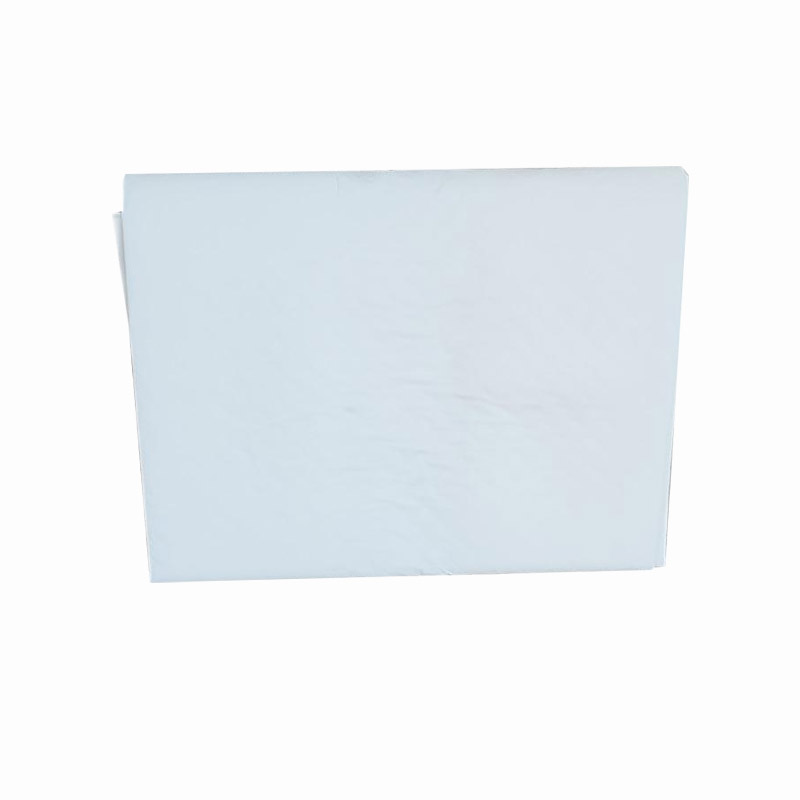
This is different from a fixed-circumference rotary die, where one tool produces one repeat length until the die is changed. A servo cut-to-length arrangement reduces changeover time, but the seal still needs enough dwell and overlap to stay intact. Pushing the length to an extreme while running at the stated 100 pieces per minute may require a speed review and sample testing. The horizontal 3-fold unit adds another distinction: the folded pad leaving the stacker is a fraction of the flat cut size, so packaging dimensions must be based on folded samples, not on the nominal flat length.
Get a Size and Specification Review
Compare the declared pad range, web layout and folding arrangement against the product format before placing an order.
Matching Pad Sizes to Applications
A pad for elderly incontinence care, a maternity sheet and a pet-training liner may all come from the same multilayer process, yet the commercial size expectation differs. Clinical literature emphasises that underpads manage moisture at the skin interface and that backing, absorbent core and coverstock must work together; guidance on incontinence pads and bed protection places these items within a wider product family. Dimensions alone do not determine performance. A buyer sourcing this converting line for several applications should validate each target size with absorbency and wet-back tests, not assume that a smaller cut automatically performs like a larger one.
For hospital and home care, the priority is covering the area at risk while keeping the pad secure on a bed or chair. Maternity and newborn use favours a softer top layer and careful edge sealing. Pet-care products may prioritise liquid locking and cost per pad. The product page for this line describes all three scenarios, but its declared output range remains the same for each. Additional technical articles on converting lines can help frame the questions asked during a factory review.
The equipment below is the model whose published figures are used throughout this guide.
JJCWD-28-40 Full-Servo Underpad Line
Full-servo converting line with ultrasonic edge sealing, touchscreen size entry and horizontal 3-fold output.
View Product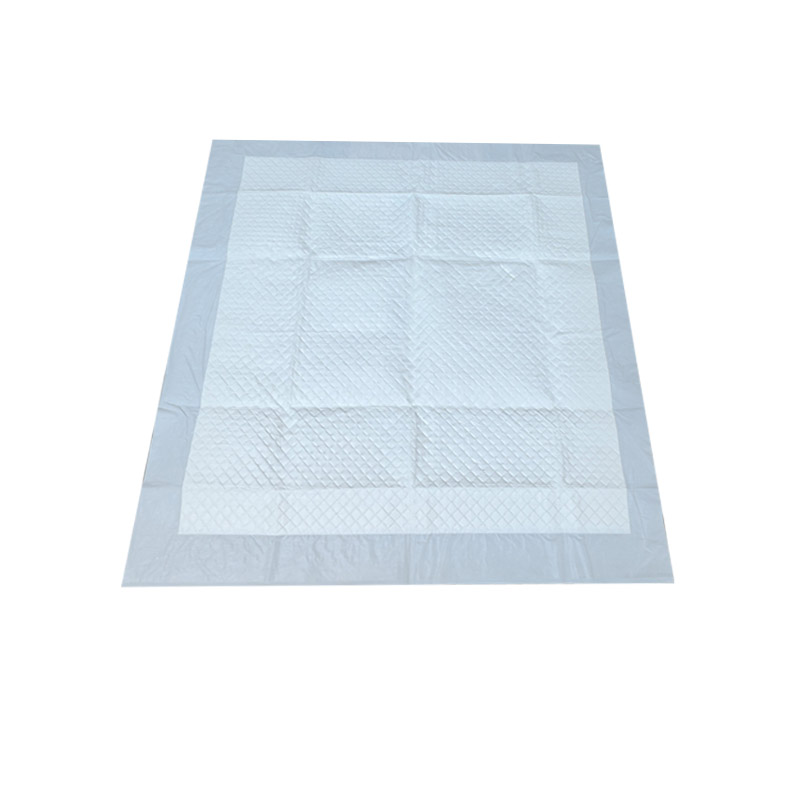
Folded output is smaller than the flat cut size and should be measured separately for packaging design.
Verify the Line Before Specification Freeze
Request sample dimensions, folding results and a written changeover procedure for each intended pad size.
How to Specify an Underpad Manufacturing Machine for Multiple Sizes
A practical specification conversation should cover five points. First, ask for the flat length and width ranges in writing, with the unit and the measurement tolerance. Second, confirm the incoming web width and whether slitting or a different unwind is needed for the narrower pad. Third, check how the longitudinal seals move when the width changes and what tools are involved. Fourth, request folded dimensions at each target size, because the 3-fold unit changes the final shape. Fifth, agree on a sample acceptance method that includes seal integrity and absorbency checks.
These steps matter because the converting system coordinates servos, tension control, adhesive application, ultrasonic sealing and folding around the same web. A change in one station can shift the others. The touchscreen on the reviewed line is described as a straightforward way to enter specifications, which is useful for repeat orders within the declared band, but it does not replace a documented setup for a new width. Buyers planning frequent changeovers should ask the manufacturer to demonstrate two different sizes during acceptance testing.
Where the Declared Dimensions Come From
The table below separates published machine data from interpretation. Values are taken from the product sheet for model JJCWD-28-40; the notes explain how each item affects size flexibility rather than adding new claims.
| Underpad Manufacturing Machine parameter | Published value | What it means for pad size |
|---|---|---|
| Finished product length range | 300 to 400 mm | Machine-direction window entered on the touchscreen; soft upper limit set by sealing and cut timing. |
| Finished product width range | 200 to 280 mm | Cross-direction window bounded by web layout and longitudinal seal positions. |
| Production speed | 100 PCS/MIN | Rated speed of the line; practical speed at a given size should be confirmed with samples. |
| Roll diameter, toilet paper | ≤ 800 mm | Indicates roll capacity, not finished pad width. |
| Roll diameter, PE film | ≤ 600 mm | Indicates roll capacity for the waterproof back sheet. |
| Welding process | Adhesive core, ultrasonic longitudinal and transverse seals | Seal placement decides usable edge allowance on both axes. |
| Control mode | Touchscreen parameter entry | Specification changes are entered digitally; mechanical setup still defines the valid range. |
| Machine size | 6690 × 1170 × 2000 mm | Overall envelope for line planning, not the pad dimension. |
Conclusion
The reviewed Underpad Manufacturing Machine produces finished pads declared at 300 to 400 mm in length and 200 to 280 mm in width, with size values entered through a touchscreen. Length flexibility comes from servo-controlled transverse cutting, while width flexibility is bounded by web layout and longitudinal sealing positions. Folding changes the dimensions seen by the packaging line, so flat and folded samples should both be measured. Those distinctions give buyers a clearer basis for comparing specifications than a single advertised number.
For readers comparing Underpad Manufacturing Machine manufacturers, JUJIN provides published specifications, technical documentation and direct inquiry channels for further evaluation.
FAQ
What finished sizes does this Underpad Manufacturing Machine declare?
The published range is 300 to 400 mm in length and 200 to 280 mm in width. These are finished flat pad dimensions for the reviewed model, not universal values for all lines.
Can width be changed only through the touchscreen?
Screen entry changes the target setting, but the usable width is limited by roll webs, slitting and longitudinal seal positions. Changes within the declared range are straightforward; changes beyond it require mechanical review.
How does the 3-fold unit affect the stated size?
The 3-fold station reduces the flat cut pad to a compact folded shape. Packaging dimensions should be based on the folded sample, while the 300 to 400 mm range refers to the flat finished pad.
Can one production line serve medical and pet-care products?
The same multilayer converting process can produce pads for different care scenarios, but each target size and absorbency level needs its own sample validation and seal check.
What should be confirmed before ordering a machine for several sizes?
Request written flat and folded dimensions, web width details, seal adjustment method, changeover steps and sample results at each intended size and speed.
References and Notes
nonwovens standard procedures — industry test procedures used for nonwoven materials (edana.org, accessed 2026-11-20).
ISO and CEN standardisation activities — context for standardised nonwoven evaluation (edana.org, accessed 2026-11-20).
guidance on incontinence pads and bed protection — context for pad applications, not a dimensional standard (nhs.uk, accessed 2026-11-20).
Data notes: the 300 to 400 mm length range, 200 to 280 mm width range, 100 PCS/MIN speed, roll diameters and welding process are manufacturer-stated values for model JJCWD-28-40 on the JUJIN product page. Imperial conversions and fold-related comments are explanatory, not additional manufacturer claims.


